


ford used car warranty essentials for practical buyers

I'm not trying to win a debate; I'm trying to get help when something breaks. A ford used car warranty can mean factory-backed certified coverage or an extended plan from a dealer or administrator. My goal is simple: know what's covered, who to call, and what to keep in the glovebox so I can move fast when a problem shows up.

Coverage at a glance

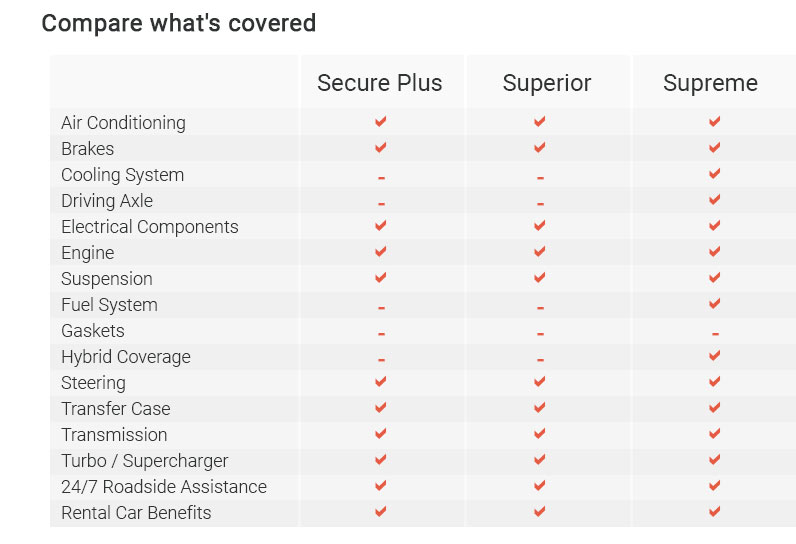
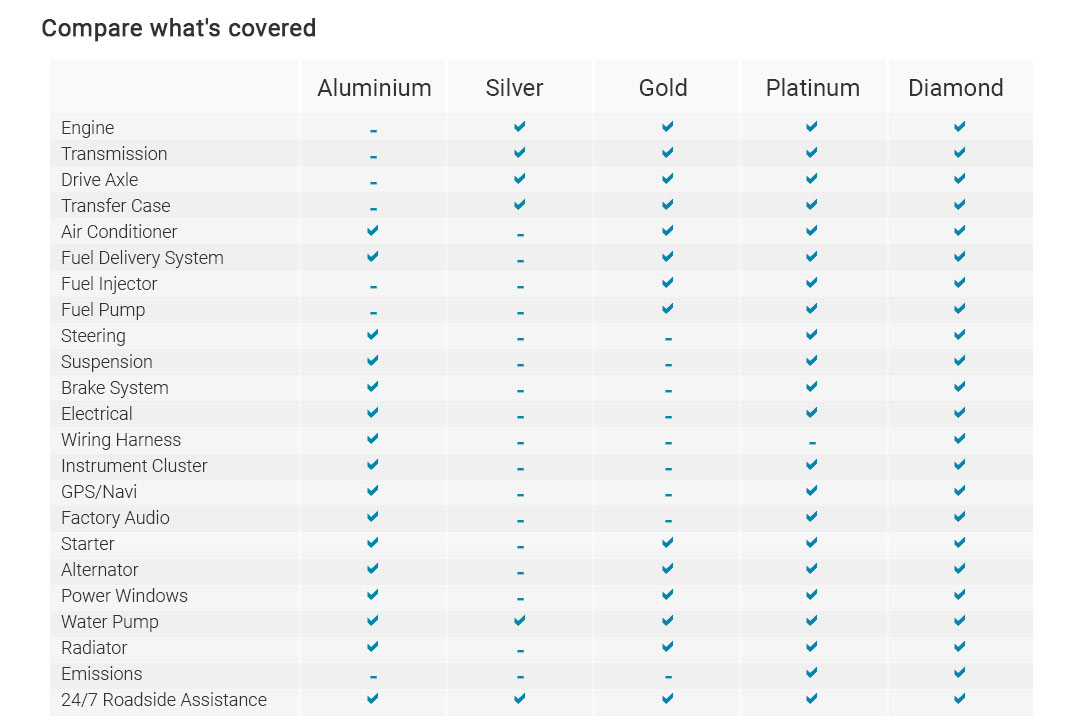
Most plans focus on failure due to defects, not routine wear. The details vary, but I expect the following to be in play (depending on plan):

  • Powertrain: engine, transmission, transfer case, and major internal parts.
  • Electrical and tech: modules, sensors, infotainment, cameras - often covered on broader plans.
  • HVAC: compressor, condenser, blend doors, and related components.
  • Cooling and fuel: water pump, fuel pump, injectors - again, plan-specific.
  • Roadside and rental: towing, trip interruption, and loaner coverage are common add-ons.

Common exclusions I watch for

  • Wear items: brakes, tires, wipers, clutches, and alignments.
  • Maintenance: oil changes, fluids, filters, and belts unless tied to a covered repair.
  • Cosmetic/trim: upholstery, paint, glass unless stated otherwise.
  • Pre-existing, neglect, or modifications: lifted suspensions or tunes can complicate claims.
  • Diagnostics: paid when a covered repair is authorized; otherwise, sometimes on me.

Quick workflow to verify your coverage

  1. Find the VIN and current mileage. Snap a photo of the dash and the door sticker.
  2. Grab your contract or warranty booklet. Note the plan name, contract number, and effective dates.
  3. Call the administrator or dealer service desk. Ask for a coverage and deductible summary by VIN.
  4. Confirm transfer status. If you bought private-party, make sure the plan was properly transferred.
  5. Ask the practical questions: covered labor rate, rental limits, claim process, and where to tow after hours.
  6. Save proof. Request an emailed summary; store PDFs and photos in a cloud folder and one printout in the glovebox.

Claim workflow at the shop

  1. Pick the right shop. Many plans prefer a Ford/Lincoln dealer; some allow any ASE shop.
  2. Authorize diagnosis. The shop calls the plan for pre-authorization once they know the fault.
  3. Confirm the numbers. Deductible per visit or per repair item, rental coverage, and parts sourcing rules.
  4. Keep parts. If allowed, ask the shop to save failed parts until the claim is closed.
  5. Get it in writing. Invoice should show what the plan paid and what I owe.
  6. File the paperwork. Save the claim number, invoice, and any tow or rental receipts.

A real moment

My used Ford's check engine light popped on during a rainy Friday commute. I pulled into a lit lot, called the number on the warranty card, read my VIN, and the administrator sent me to a nearby dealer. They authorized the repair after diagnosis and I paid a modest deductible while rental coverage handled the day - nothing heroic, just a clean handoff that let me get back to work.

Documents I keep handy

  • Warranty booklet and ID card with the claims phone number.
  • Photo of the VIN plate and the odometer.
  • Recent maintenance records to show I've kept up service.
  • Service advisor's business card and the roadside number.

Questions I ask a seller before I sign

  • Is this factory-backed or third-party, and who administers claims?
  • What are the exact start/end dates and mileage limits?
  • Is the plan already transferred into my name, or is there a form/fee?
  • Where can I take the car, and does the plan pay shops directly?
  • What's the deductible and is it per visit or per repair?
  • Any inspection or waiting period before coverage activates?
  • Can I see the actual sample contract, not just the brochure?

Costs and knobs I can adjust

Larger deductibles drop the price. Longer terms and higher mileage bands increase it. Exclusionary plans cost more but are simpler to understand at claim time. I ask about tech-package surcharges and confirm whether coverage starts from the original in-service date or my purchase date.

Small checks that prevent big delays

  • Names and address match the contract.
  • VIN typed correctly - double-check letters vs numbers.
  • Maintenance up to date; save proof for borderline items.
  • Roadside number tested once so I know the menu path.
  • Set a phone note with the claim number after each visit.

If I'm still comparing options

I weigh certified coverage that follows the car at Ford dealers against third-party plans with wider shop choice. I prefer plans that pay the shop directly and allow OEM or equivalent parts. For high-mileage driving, I bias toward powertrain and cooling system strength; for city use, roadside and rental perks matter.

Support signals I look for

  • Clear exclusions and sample contract upfront.
  • Claims hours beyond business hours and a real escalation path.
  • Fast pre-authorization with a reference number I can quote.
  • Simple transfer steps if I sell the car later.

Action plan

  1. Verify my current coverage by VIN and get it in writing.
  2. Organize documents: contract, IDs, contacts, and recent service.
  3. Pick a primary shop and a backup for after-hours tows.
  4. Book a baseline inspection to catch issues while I'm covered.
  5. Set a reminder 30 days before expiry to review renewal or alternatives.

I keep a short checklist in the glovebox and add one line after each repair, because the next question I'll need to ask usually reveals itself on the road home

https://www.ford.com/used/about-certified/warranties/
All Blue Certified used vehicles come with 90-Day/4,000-Mile (whichever comes first) Comprehensive ...

https://www.ford.com/cmslibs/content/dam/brand_ford/en_us/brand/cpo/pdf/fcp96_3485013_l_ltdwrnty_r05.pdf
Ford Motor Company will provide for repair or replacement of covered components on the vehicle during the warranty period in accordance with the following terms ...

https://www.grangerfordextendedwarranty.com/blog/a-complete-guide-to-the-ford-certified-pre-owned-warranty-coverage-and-benefits/
The Ford CPO Warranty includes a 12-month/12,000-mile Comprehensive Limited Warranty and a 7-year/100,000-mile Powertrain Limited Warranty, measured from the ...


atwratnwm
4.9 stars -1494 reviews